

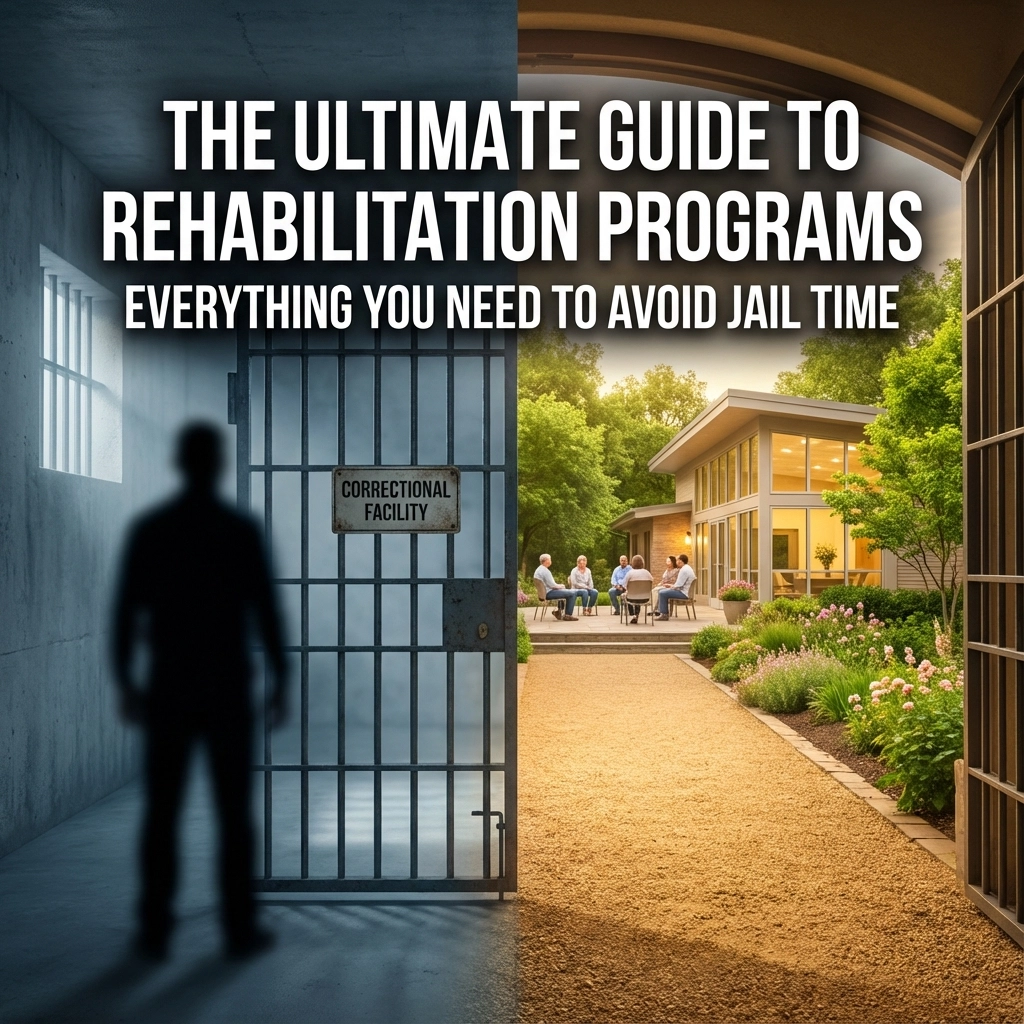
Facing criminal charges in Texas can feel overwhelming, but there’s something important you need to know: jail isn’t always the only option. Rehabilitation programs offer a real chance to avoid incarceration while getting your life back on track. These programs focus on healing and growth rather than punishment, and they could be exactly what you need to move forward.
If you’re dealing with charges related to substance abuse, mental health issues, or even some nonviolent offenses, rehabilitation programs might be available to you. Let’s walk through everything you need to know about these life-changing alternatives.
What Are Rehabilitation Programs?
Think of rehabilitation programs as a second chance wrapped in support and structure. Instead of serving time behind bars, you work on addressing the root causes that led to your charges in the first place. Whether that’s addiction, mental health struggles, or lack of education and job skills, these programs meet you where you are.
The best part? Successfully completing a program often means your charges get reduced or dismissed entirely. That’s right – you could avoid a criminal record while actually improving your life in the process.

Types of Programs That Could Help You
Drug Courts and Substance Abuse Programs
If your charges involve drugs or alcohol, drug court might be your golden ticket. These specialized courts don’t just want to punish you – they want to see you succeed. You’ll work with counselors, attend regular court check-ins, and follow a structured treatment plan. The judges in these courts understand addiction and are rooting for your recovery.
Mental Health Courts
Struggling with mental health issues that contributed to your legal troubles? Mental health courts provide treatment and support instead of jail time. You’ll work with mental health professionals to develop coping strategies and get the care you need.
Pretrial Diversion Programs
Sometimes called “deferred prosecution,” these programs pause your case while you complete counseling, community service, or education requirements. Finish successfully, and your charges disappear like they never happened.
Community Service and Probation
For many nonviolent offenses, courts may allow you to serve your community instead of serving time. You’ll stay home with your family while completing supervised probation and giving back through volunteer work.
How These Programs Help You Avoid Jail Time
The magic happens when judges see you’re serious about change. Courts love rehabilitation programs because they actually work – people who complete them are much less likely to get in trouble again. Here’s how the process typically works:
Step 1: Assessment
First, you’ll be evaluated to see if you qualify. Courts look at your charges, criminal history, and willingness to participate.
Step 2: Program Placement
If approved, you’ll be placed in the right program for your situation. This might be outpatient counseling, residential treatment, or community-based services.
Step 3: Active Participation
This is where the real work happens. You’ll attend sessions, meet requirements, and demonstrate your commitment to change.
Step 4: Successful Completion
Finish everything as required, and the court will typically dismiss or reduce your charges significantly.

What to Expect During Your Program
Let’s be honest – these programs aren’t a walk in the park. They require real commitment and effort. But compared to jail time, most people find them much more manageable and actually helpful.
You might attend counseling sessions several times a week, submit to regular drug testing, meet with probation officers, complete community service hours, or participate in group therapy sessions. The key is showing up and doing the work consistently.
Most programs last anywhere from six months to two years, depending on your charges and progress. The good news? You’re usually allowed to continue working, going to school, and living at home while participating.
Who Qualifies for Rehabilitation Programs?
Every case is different, but generally, you’re more likely to qualify if:
- This is your first offense or you have minimal criminal history
- Your charges are nonviolent or drug-related
- You demonstrate genuine willingness to change
- You don’t pose a significant risk to public safety
- You’re dealing with substance abuse or mental health issues
Even if you don’t think you qualify, it’s worth exploring your options. Courts are increasingly open to alternatives that actually address problems rather than just punish them.
The Benefits Go Beyond Avoiding Jail
While staying out of jail is obviously the main attraction, rehabilitation programs offer so much more:
No Criminal Record: Many programs result in dismissed charges, meaning you won’t have a conviction following you around.
Real Skills and Support: You’ll learn coping strategies, life skills, and have access to resources that help long-term.
Employment Opportunities: Without a criminal record, you’ll have better job prospects and career options.
Family Stability: Staying home means keeping your family together and maintaining your responsibilities.
Cost Savings: Programs are much cheaper than hiring a lawyer for a lengthy trial or dealing with the consequences of a conviction.
Personal Growth: Many participants find these programs genuinely helpful for their overall well-being.
Getting Started: Your Next Steps
If you’re facing charges and think a rehabilitation program might be right for you, time is of the essence. These alternatives are much easier to secure early in the process, ideally before you’re even formally charged or right after your arrest.
Here’s what you should do immediately:
Document Everything: If you’re already in counseling, attending AA meetings, or taking steps to address your issues, keep records. This shows the court you’re proactive about change.
Research Local Programs: Different counties in Texas offer different options. Some have robust drug court systems, while others might focus more on mental health or general diversion programs.
Be Honest About Your Situation: Courts appreciate honesty about your struggles and genuine desire to change. Don’t try to minimize or hide issues that led to your charges.
Act Quickly: The sooner you start exploring these options, the better your chances of being accepted into a program.

Why Professional Legal Help Matters
Navigating the criminal justice system while trying to access rehabilitation programs can be complicated. Prosecutors and judges need to be convinced that you’re a good candidate, and there’s often paperwork, deadlines, and specific procedures to follow.
An experienced criminal defense attorney who understands rehabilitation programs can make all the difference. They know which programs are available in your area, how to present your case in the best light, and how to negotiate with prosecutors to get you into the right program.
Don’t let this opportunity slip away because you didn’t know about your options or missed important deadlines. These programs really can change your life, but you need to act fast and smart.
Your Second Chance Starts Now
Facing criminal charges doesn’t have to mean your life is over. Rehabilitation programs offer a real path forward – one that focuses on healing, growth, and positive change rather than just punishment. You could avoid jail time, keep a clean record, and actually come out of this experience stronger than before.
The key is taking action quickly and getting the right help to navigate your options. Every day you wait is a day closer to missing out on these life-changing alternatives.
Call our office today so we can help you with your legal matter.

