


Your phone probably knows more about you than your best friend does. It holds your photos, messages, location history, banking apps, and pretty much everything else about your life. So when police want to search it, you need to know your rights.
The short answer? In most cases, police cannot search your phone without a warrant. But like everything in criminal law, there are exceptions that could seriously impact your case.
The Basic Rule: No Warrant, No Search
Thanks to a 2014 Supreme Court case called Riley v. California, police generally need a warrant to search your cell phone. This was a huge win for privacy rights because it recognized that phones aren’t just regular objects, they’re basically portable computers containing massive amounts of personal information.
Before this ruling, police could search anything on your person when you got arrested. Your wallet, your pockets, even your car under certain circumstances. But the Supreme Court drew the line at phones because they contain so much more private data than anyone could physically carry around.
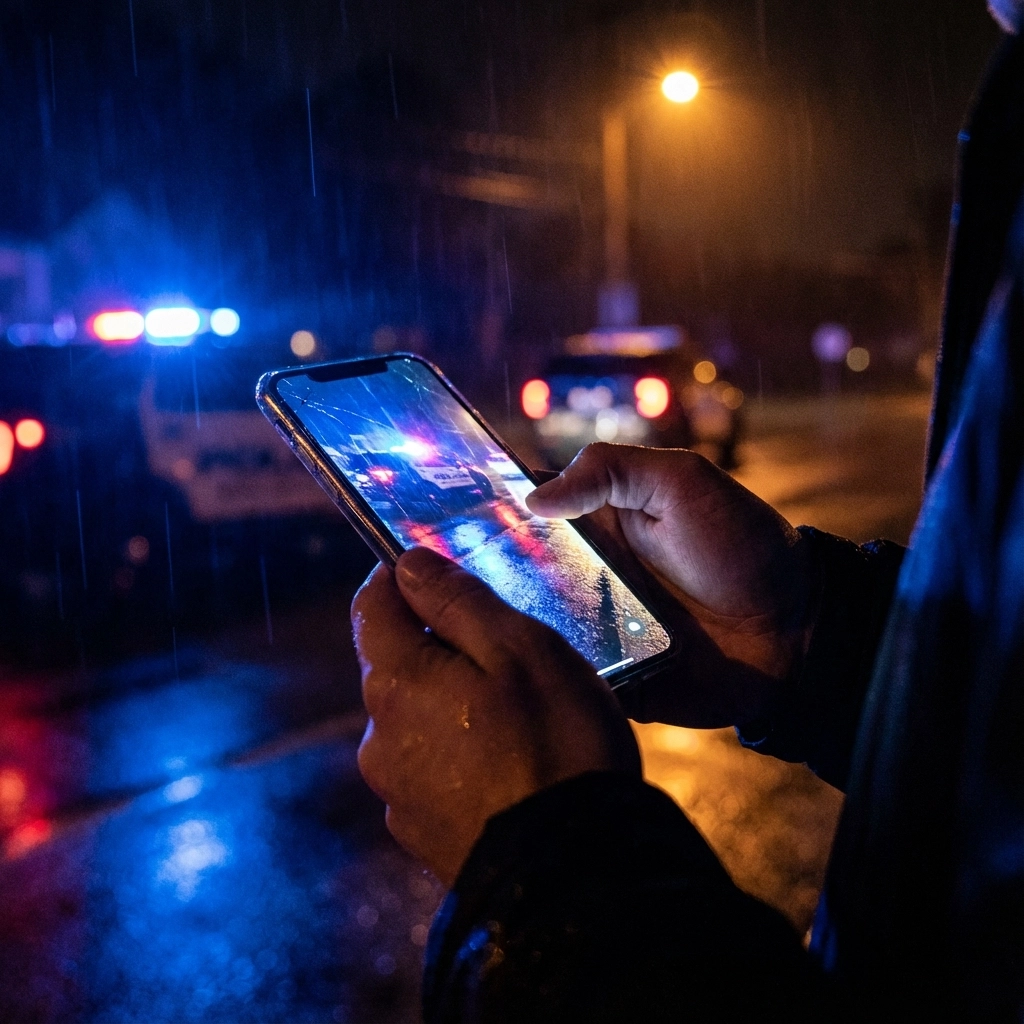
Why Your Phone Gets Special Protection
Think about it this way: if you got arrested 30 years ago, police might find a few photos in your wallet, maybe some business cards, and whatever was in your pockets. Today, your phone contains thousands of photos, years of text messages, your entire contact list, browsing history, location data, and access to all your online accounts.
The Supreme Court recognized this difference. They said searching a phone is like searching someone’s entire house, filing cabinet, and personal diary all at once. That’s why they require a warrant, because the invasion of privacy is so much greater.
In Texas, our courts follow this same principle. Your phone is treated as highly private property that deserves strong constitutional protection.
When Police CAN Search Your Phone Without a Warrant
Unfortunately, there are still some situations where police might be able to search your phone without getting a warrant first. These exceptions are supposed to be rare, but they’re important to understand.
If You Give Consent
This is the big one. If you say “yes” when police ask to search your phone, you’ve given up your right to privacy. Once you consent, they can look through everything. And here’s the thing, police are really good at asking for consent in ways that make it hard to say no.
They might say things like “If you have nothing to hide, you won’t mind us taking a look, right?” or “This will go much easier if you cooperate.” Remember: you have the absolute right to say no, and you should use it.
Emergency Situations
In rare cases, police can search your phone if there’s a true emergency. This might include situations where they believe someone’s life is in immediate danger, or where waiting for a warrant would let evidence be destroyed.
But this exception is supposed to be very narrow. Police can’t just claim there’s an emergency to avoid getting a warrant. In Texas courts, we’ve seen these claims challenged successfully when the “emergency” wasn’t really that urgent.

When Someone Else Gives Permission
If someone else has legal control over your phone, they might be able to give consent for a search. This could happen if you’re a minor and your parents consent, or if someone else is the legal owner of the device.
What Makes a Search Warrant Valid
If police do get a warrant to search your phone, it has to meet certain requirements. A valid warrant must:
- Clearly explain what crime they’re investigating
- Describe specifically what they’re looking for (like text messages from certain dates, or photos, or app data)
- Identify your phone accurately
- Be signed by a judge who found probable cause
A warrant that just says “search everything on the phone” is too broad and might be invalid. In Texas, we’ve successfully challenged overly broad warrants that gave police unlimited access to defendants’ digital lives.
Your Rights During a Phone Search
If police want to search your phone, here’s what you need to know:
You can refuse consent. Just say “I don’t consent to any searches.” Be polite but firm.
Don’t unlock your phone. Police might ask you to unlock your phone or give them your passcode. You generally don’t have to do this. In fact, doing so could seriously hurt your case.
Ask to see the warrant. If they claim to have a warrant, ask to read it. Check that it actually covers your phone and describes what they’re looking for.
Stay calm and don’t interfere. If they do have a valid warrant, don’t try to stop them or delete anything. That could lead to additional charges for obstruction of justice or tampering with evidence.
Ask for a lawyer immediately. This is your most important right. Exercise it.
Real Consequences for Texas Defendants
Phone searches can make or break criminal cases in Texas. We’ve seen cases where:
- Text messages were used to prove drug dealing charges
- Location data placed defendants at crime scenes
- Photos on phones became evidence in assault cases
- Social media messages were used to show intent in theft cases
But we’ve also successfully defended clients by:
- Getting phone evidence thrown out due to illegal searches
- Challenging overly broad search warrants
- Proving police exceeded the scope of their warrant
- Showing that consent wasn’t truly voluntary
The key is knowing your rights and protecting them from the moment police approach you.

What This Means for Your Case
If you’re facing criminal charges in Texas and police searched your phone, this could be a crucial part of your defense. Even if they found incriminating evidence, that evidence might not be admissible in court if the search was illegal.
Phone search issues are complex and fact-specific. What matters is exactly how police got access to your phone, what they searched, whether they had a valid warrant, and whether they stayed within the legal limits of that warrant.
These cases move fast, and evidence can be lost if you don’t act quickly. Phone data, witness statements, and police reports all need to be preserved and analyzed by someone who understands both the technology and the law.
Don’t Face This Alone
Phone search cases require immediate attention from someone who understands both criminal law and digital privacy rights. The prosecution will have experienced lawyers and digital forensics experts working against you. You need someone in your corner who can match their expertise.
Whether you’re dealing with drug charges, theft accusations, assault cases, or any other criminal matter where your phone might be involved, the details of how that evidence was obtained could determine the outcome of your case.
Call our office today so we can help you with your legal matter.

