


Facing criminal charges in Texas can feel overwhelming. You're worried about your future, your family, and what comes next. But here's the truth: many people make their situation worse by making avoidable mistakes during their criminal defense case.
These mistakes can turn a manageable situation into a nightmare. They can lead to harsher sentences, higher bail amounts, and long-term consequences that follow you for years. The good news? Most of these mistakes are completely preventable once you know what to avoid.
Let's walk through the seven biggest mistakes people make with their criminal defense in Texas – and more importantly, how to fix them.
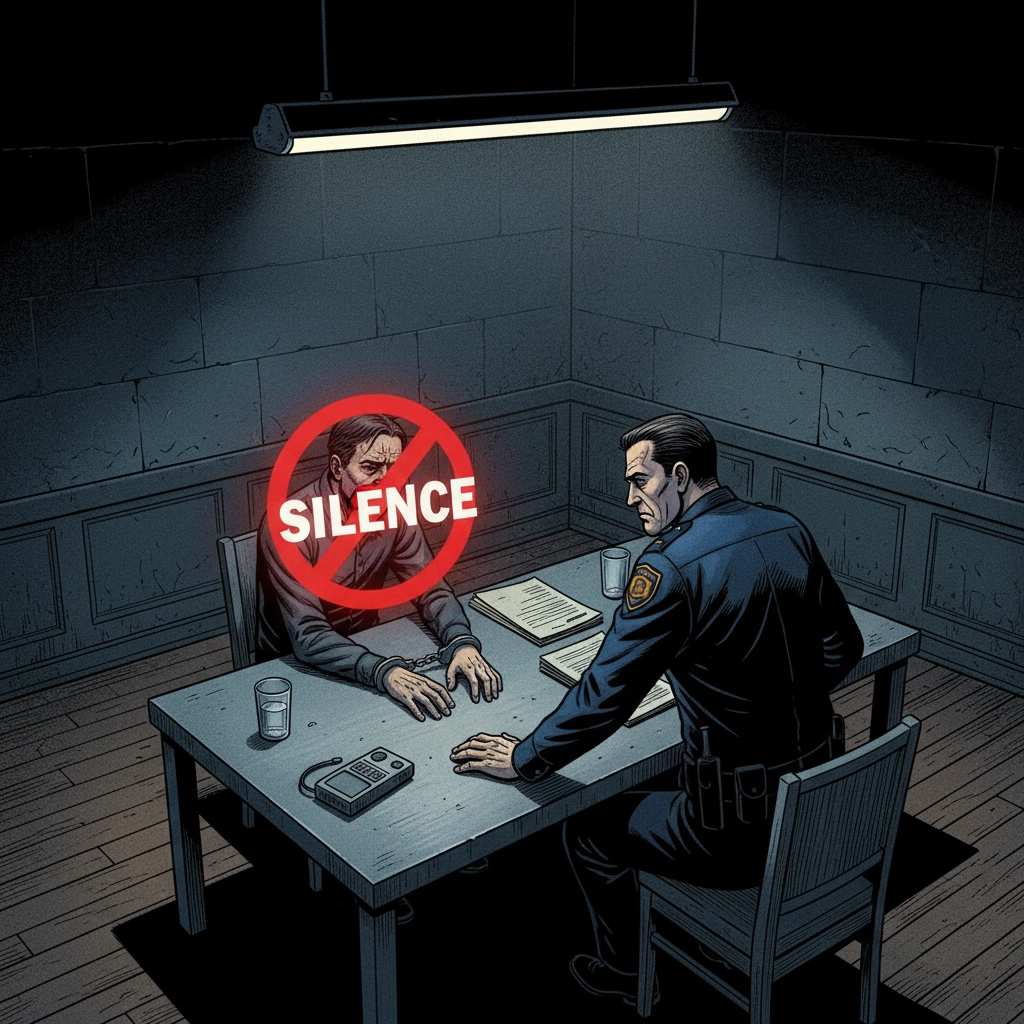
Mistake #1: Talking to Police Without a Lawyer
This is the biggest mistake you can make, and it happens all the time. You think being cooperative will help your case. You believe that if you just explain what happened, the police will understand and let you go. You're wrong.
Why this hurts you: Everything you say can and will be used against you in court. Police officers are trained to get you talking, even when staying quiet is your best option. Even innocent statements can be twisted or taken out of context later.
How to fix it: The moment police want to question you, say these exact words: "I want to speak to a lawyer, and I'm exercising my right to remain silent." Then stop talking. Don't explain why you need a lawyer. Don't try to be helpful. Just ask for your attorney and stay quiet.
If you already talked to police, don't panic. Tell your lawyer exactly what you said. They can often minimize the damage, but they need to know what they're working with.
Mistake #2: Posting on Social Media
You might think your Facebook posts or Instagram stories have nothing to do with your case. Think again. Prosecutors actively search social media for evidence to use against defendants.
Why this hurts you: That photo of you at a party could contradict your claim of being somewhere else. Your angry post about the situation could be used to show intent or state of mind. Even posts from months ago can come back to haunt you.
How to fix it: Stop posting immediately. Don't post about your case, your arrest, or anything related to your charges. Ask family and friends not to post about you either. Consider making your accounts private, but remember that privacy settings aren't foolproof.
If you've already posted something problematic, don't delete it – that could be seen as destroying evidence. Instead, talk to your lawyer about what to do with existing posts.
Mistake #3: Choosing the Wrong Attorney (or No Attorney at All)
Some people think they can handle their case alone or that any lawyer will do. Others assume a public defender is just as good as a private attorney. These assumptions can cost you dearly.
Why this hurts you: Criminal law is complex, especially in Texas. Public defenders often handle hundreds of cases at once and can't give your case the attention it deserves. Inexperienced attorneys might miss important defenses or fail to properly investigate your case.
How to fix it: Hire an experienced criminal defense attorney as soon as possible. Look for someone who regularly handles cases like yours in Texas courts. During your consultation, ask about their experience, success rate, and strategy for your specific charges.
Don't just hire the cheapest lawyer you can find. This is your future we're talking about. Get a written contract that clearly explains what services are included and any additional costs you might face.

Mistake #4: Missing Court Dates or Violating Bail Conditions
When you're out on bail, you have specific conditions you must follow. Maybe you can't travel outside the county, or you need to check in with a probation officer. Some people get comfortable and start ignoring these rules.
Why this hurts you: Missing court or violating bail conditions can land you back in jail immediately. The judge can revoke your bail, issue a warrant for your arrest, and add new charges on top of your existing ones. You're essentially creating new problems while trying to solve old ones.
How to fix it: Treat every court date and bail condition like your life depends on it – because it does. Put all court dates in your calendar with multiple reminders. Follow every single bail condition, no matter how small it seems.
If something prevents you from making court, call your lawyer immediately. Don't just skip and hope for the best. If you're struggling to follow bail conditions, talk to your attorney about getting them modified rather than just ignoring them.
Mistake #5: Not Being Completely Honest With Your Attorney
Many clients hold back information from their lawyer because they're embarrassed or afraid it will hurt their case. They might not mention that they were drinking, or they might leave out details about what they said to police.
Why this hurts you: Your lawyer can't defend against surprises they don't know are coming. If the prosecutor brings up something in court that your attorney didn't know about, it can destroy your defense strategy. Your lawyer needs all the facts to build the strongest possible case.
How to fix it: Tell your lawyer everything. And I mean everything. Remember, attorney-client privilege protects your conversations – your lawyer legally cannot share what you tell them without your permission.
Yes, some facts might hurt your case, but it's better for your lawyer to know about them and plan accordingly than to be blindsided in court. Your attorney has heard it all before, and their job is to defend you, not judge you.

Mistake #6: Failing to Document Important Details
Right after an arrest or incident, details are fresh in your mind. But as time passes, you forget important facts, conversations, or circumstances that could help your defense. Many people assume they'll remember everything perfectly months later.
Why this hurts you: Memory fades, and small details can make a big difference in your case. Maybe you remember a witness who saw what really happened, or you recall that the police officer didn't read you your rights properly. Without documentation, these crucial details might be lost forever.
How to fix it: Start writing down everything you remember about the incident as soon as possible. Include dates, times, locations, people present, conversations you had, and any injuries or evidence.
Write down your interactions with police officers, what they said, and how they treated you. If there were witnesses, get their contact information if possible. The more detail you can provide your attorney, the better they can defend you.
Mistake #7: Running From Police or Acting Guilty
When people see police approaching, their first instinct might be to run or act evasively. Maybe they panic, or maybe they think they can avoid the confrontation altogether. This is always a bad idea.
Why this hurts you: Running from police or acting evasive creates what lawyers call "consciousness of guilt." Basically, it makes you look guilty even if you're not. Judges and juries see this behavior as an admission that you did something wrong.
How to fix it: Stay calm if police approach you. Don't run, don't resist, and don't make sudden movements. You can remain silent and ask for a lawyer, but do it respectfully. Comply with basic instructions like showing ID if required, but remember you don't have to answer questions about the incident.
If you already ran or acted evasively, tell your lawyer immediately. They might be able to explain your behavior in a way that doesn't hurt your case, but they need to know what happened.
The Cost of These Mistakes
Each of these mistakes can have serious consequences that go far beyond your immediate case. Poor decisions during your criminal defense can:
- Lead to harsher sentences and higher fines
- Make it harder to get your charges reduced or dismissed
- Result in loss of your job or professional license
- Damage your reputation and relationships
- Create long-term problems with background checks
- Affect your ability to get housing, loans, or other services
The good news is that understanding these mistakes is the first step to avoiding them. If you've already made some of these errors, don't panic. An experienced criminal defense attorney can often minimize the damage and still build a strong defense for your case.
Remember, your future is worth fighting for. Don't let preventable mistakes turn a difficult situation into a disaster. Take your criminal defense seriously, follow these guidelines, and give yourself the best chance for a positive outcome.
If you're facing criminal charges in Texas, don't try to handle it alone. Contact an experienced criminal defense attorney today to discuss your case and start building your defense strategy. Your freedom and your future depend on the decisions you make right now.
Call our office today so we can help you with your legal matter.

